


Table of Contents
- Executive Summary:
- Key Takeaways:
- Compensation & Incentives: The Silent Driver of Tomorrow’s Growth
- Aligning Compensation Strategies with Business Objectives
- Incentive Compensation Technology: Unlocking Data-Driven Optimization
- Driving Cross-Functional Collaboration Through Compensation Incentives
- Consulting as a Catalyst for Effective Incentive Plan Transformation
- Future Trends: Embedding Innovation in Compensation & Incentives
Recent Articles
Compensation & Incentives: The Silent Driver of Tomorrow’s Growth
Executive Summary:
Compensation and incentive programs are no longer just HR functions but strategic levers that can accelerate enterprise growth and enhance competitive advantage. This article unpacks how optimized compensation frameworks, aligned with technology and analytics, can transform business outcomes and drive sustainable revenue expansion.
Key Takeaways:
- Strategically designed compensation plans align employee behaviors with long-term business goals, enhancing retention and accelerating growth.
- Advanced analytics and sales technology empower enterprises to forecast, optimize, and measure incentive effectiveness in real time.
- Cross-department collaboration between HR, Sales, and Finance drives more effective compensation strategies and revenue enablement.
- Consulting services bring expertise in change management and performance benchmarking essential for adopting best practices in incentives.
- Integration of compensation frameworks with customer lifecycle management boosts upsell, retention, and customer experience.
Compensation & Incentives: The Silent Driver of Tomorrow’s Growth
Aligning Compensation Strategies with Business Objectives

At the C-suite and executive level, compensation is a critical tool far beyond salary payout — it shapes strategy execution, influences organizational culture, and directs sales and operational performance. Enterprises face complex challenges in designing incentive programs that closely link pay to measurable outcomes such as revenue growth, customer success, and market expansion.
Effective compensation strategy requires a deep understanding of territory planning, sales pipeline dynamics, and multi-touch revenue attribution. For example, leveraging analytics to forecast sales performance enables organizations to tailor incentives that motivate the right sales behaviors and optimize team structure. The WorldatWork organization emphasizes that modern compensation plans must evolve continuously with market conditions and competitive benchmarks to remain relevant.
Consulting firms specializing in compensation and incentives guide enterprises in integrating these strategies into wider business frameworks, merging revenue enablement with risk management and stakeholder management. This consultative approach ensures alignment between compensation and broader business objectives, facilitating smoother change management and stakeholder buy-in — fundamental for any enterprise-scale initiative.
This tactical alignment can translate into increased retention, lower churn risk, and improved customer experience, especially when incentive programs extend across sales, marketing operations, and account management teams.
Incentive Compensation Technology: Unlocking Data-Driven Optimization

The adoption of sales technology and incentive compensation management tools has redefined how enterprises optimize pay-for-performance. Incorporating sophisticated analytics and real-time health scoring, these platforms enable continuous performance benchmarking and provide accurate insights into compensation plan effectiveness.
Enterprises engaging in sales automation and revenue intelligence benefit by integrating compensation systems that automate commission calculations, reduce payouts errors, and provide transparent dashboards to stakeholders. This fosters accountability and helps teams focus on leads management and pipeline acceleration without micromanagement.
Leveraging machine learning predictive models enables companies to simulate various incentive structures before implementation, ensuring forecasting accuracy and alignment with business goals. McKinsey & Company Insights highlight that data-driven compensation accelerates decision cycles and translates into higher team productivity and revenue growth.
Consulting services can accelerate adoption of these technologies by supporting data integration, process redesign, and stakeholder training. Expertise in analytics-driven optimization and customer journey mapping also allows consulting partners to advise how incentive plans impact customer onboarding, upsell opportunities, and lifecycle management.
Driving Cross-Functional Collaboration Through Compensation Incentives
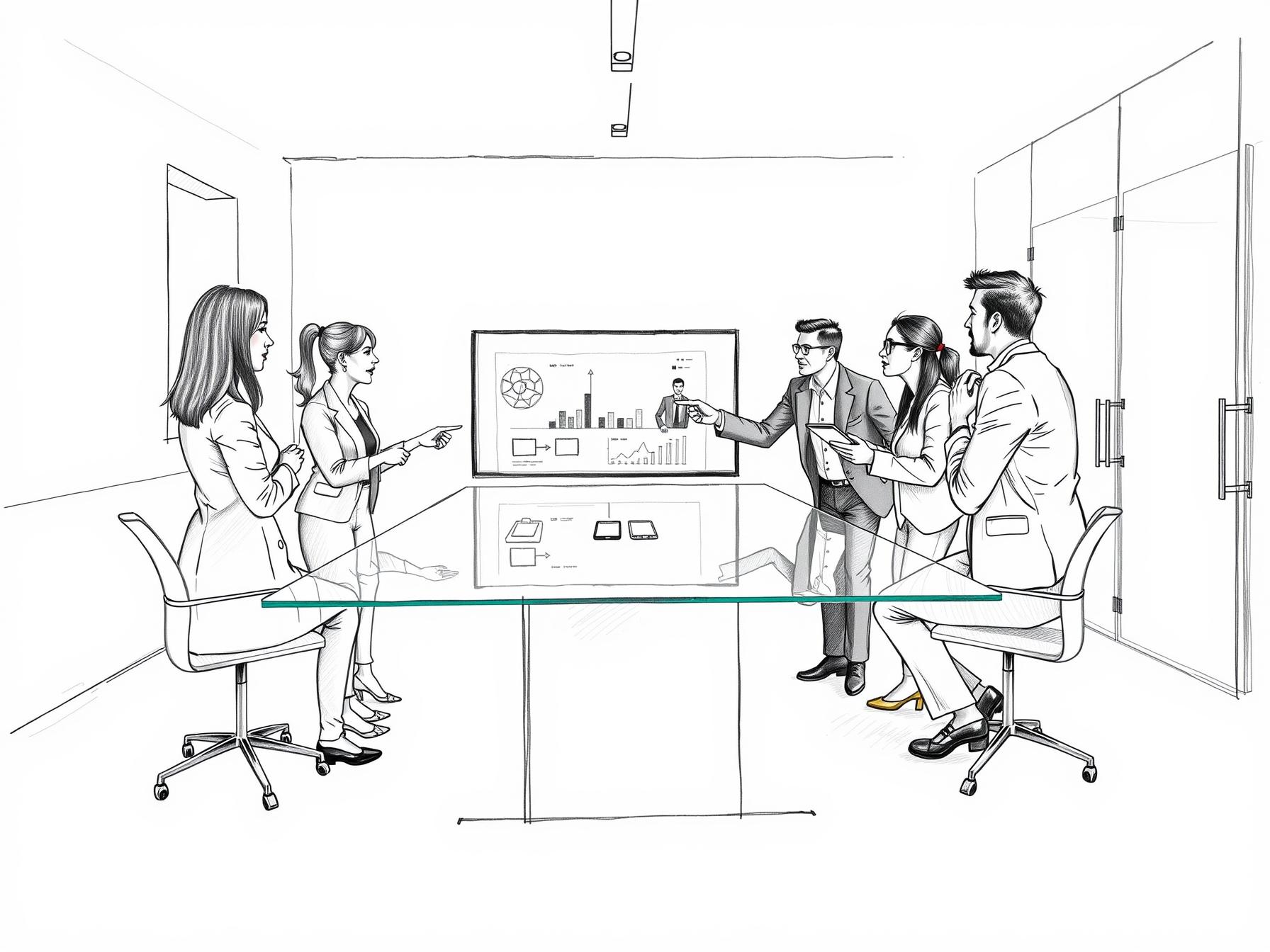
Compensation and incentives are increasingly tailored to promote cross department collaboration and integrated revenue strategies. Beyond traditional sales roles, marketing operations, customer success, and account management functions are adopting performance-based incentives to encourage shared accountability for revenue outcomes.
This shift requires enterprises to rethink legacy team structures and compensation roadmaps — linking incentives to joint objectives such as customer retention, risk management, and marketing handoff effectiveness. The Harvard Business Review reports that companies excelling in revenue enablement adopt multi-touch attribution models to reward team members across the full customer journey.
Stakeholder management and change management fundamentals are critical to align disparate teams and incentivize optimized collaboration. Consulting firms deploy workshops, performance benchmarking exercises, and strategy alignment sessions to help enterprises break down silos and incentivize shared KPIs that drive collective success across marketing, sales, and operations.
Ultimately, this leads to enhanced customer experience by ensuring smooth customer behavior tracking, effective lifecycle management, and scalable compensation programs that motivate joint accountability.
Consulting as a Catalyst for Effective Incentive Plan Transformation
Enterprises often underestimate the complexity of designing and implementing incentive compensation plans that truly drive growth. This is where consulting capabilities become a critical catalyst, helping organizations navigate a lifecycle of needs—from diagnosis and plan design to rollout and continuous performance assessment.
Consultants bring best practices around forecasting, pipeline optimization, and sales automation integrations that align compensation plans with measurable outcomes. They also address common obstacles such as compensation disputes, lack of transparency, and misalignment between pay and performance.
Resources from the Society for Human Resource Management (SHRM) and Compensation Today detail how consultants infuse data validity protocols, training programs, and change management initiatives to embed incentive culture throughout organizations. With stakeholder management expertise, consulting partners ensure leadership cohesion and support cross-functional teams during transition periods.
The result is more predictive compensation models that nurture sales pipeline velocity, enhance revenue intelligence, and support multi-channel revenue attribution necessary to scale modern enterprises.
Future Trends: Embedding Innovation in Compensation & Incentives
Looking ahead, compensation and incentive frameworks will continue to evolve as enterprises embrace revenue enablement technologies and advanced analytics platforms. The future of compensation lies in personalized incentive programs guided by real-time data on customer behavior, journey mapping, and performance benchmarking.
Long-term incentive plans are gaining prominence as companies aim to link executive pay with innovation, sustainability, and customer-centric metrics. As reported by The Globe and Mail and echoed in Forbes, the rise of single-family office compensation reports and sector-specific models signals a growing trend toward tailoring incentives with strategic growth drivers in mind.
Enterprises investing in integrated sales technology combined with analytics-driven compensation can expect greater agility in responding to market volatility and customer demands. This enhances churn prevention mechanisms and uplifts customer experience at every touchpoint.
Consulting firms will play an instrumental role in enabling these innovations by advising on advanced compensation architectures, embedding AI-driven forecasting tools, and fostering cross-functional collaboration aligned with enterprise growth ambitions.
